Dog Walking Gear — The Complete Guide for UK Dog Owners (2026)

Walking your dog should be enjoyable—for both of you. Yet too many owners struggle with uncomfortable leads, ill-fitting harnesses, or a lack of essential gear that would make daily walks safer and more pleasant. The right equipment transforms your walking experience from frustrating to fulfilling.

Having proper dog walking gear matters for more than just comfort. A well-fitted harness reduces pulling and neck strain, quality leads provide reliable control, and thoughtfully chosen accessories make walks more convenient. Whether you’re navigating busy UK streets, exploring country paths, or managing a strong puller, the right gear gives you confidence and keeps your dog safe.

This comprehensive guide covers everything you need to know about selecting, fitting, and using dog walking equipment. We’ll explore the main categories—harnesses, leads, and collars—explain when to use each, and help you build a walking kit suited to your dog’s age, size, and temperament. By the end, you’ll understand not just what to buy, but why it matters.

Essential Walking Gear Overview

Before diving into detail, let’s understand the main categories of dog walking equipment and why each serves a specific purpose.

Harnesses

A harness distributes pressure across your dog’s chest and back rather than concentrating it on the neck. This is especially important for dogs prone to pulling, those with respiratory issues, or any dog you want to walk comfortably. We explore harness types—back-clip, front-clip, and dual-clip—in detail later, and our guide to choosing a dog harness covers fitting and selection in depth. If you’re comparing premium brands, our Julius K9 vs Ruffwear comparison breaks down two market leaders.

Leads

Your lead is your primary control tool. Standard 4–6 foot leads offer reliable control in urban settings, whilst retractable leads provide flexibility for open spaces. Long-lines are invaluable for recall training and recall-anxious dogs. Our guide to the best dog leads explores each type’s advantages and limitations.

Collars

Collars serve dual purposes: ID tags and, in some cases, control. Flat collars are standard, but martingale collars prevent escaped dogs, and head halters offer control without neck strain. For most dogs, a harness does the heavy lifting during walks, but a collar remains essential for tags and quick identification. See our complete guide to dog collars for in-depth information.

Accessories

Quality-of-life accessories make walks more convenient. Poo bag dispensers attach to leads and keep waste bags handy. Treat pouches reward good behaviour on walks and aid training. Our guides to the best poo bag dispensers and best dog treat pouches help you choose options that suit your routine.

Choosing the Right Harness

A properly fitted harness is the cornerstone of comfortable, safe walking. Unlike collars, harnesses distribute force across a larger area, reducing strain on the neck and chest. But not all harnesses suit every dog.

Harness Types

Back-clip harnesses attach the lead to a ring on the dog’s back. They’re comfortable and suitable for calm walkers, but don’t actively discourage pulling—a strong dog can still lunge forward. Most everyday users find back-clip harnesses perfectly adequate.

Front-clip harnesses attach the lead to a ring on the dog’s chest. When your dog pulls, this design turns them gently toward you, reducing pulling by making it less rewarding. They’re excellent for strong pullers, reactive dogs, and anyone managing larger breeds.

Dual-clip harnesses offer both attachment points, letting you choose your strategy. In open spaces, use the back-clip for relaxed walking; on busy streets or when pulling occurs, clip to the front.

Head halters fit over the dog’s muzzle and neck. They provide maximum control with minimal effort but require careful introduction and proper fit to avoid discomfort. Our no-pull harness guide explores these options in detail.

Sizing and Fit

An ill-fitting harness defeats the purpose. You should be able to fit two fingers between the harness and your dog’s body—snug enough that it won’t slip, loose enough for comfort. Measure your dog’s girth (the circumference around their chest), weight, and note their breed size when ordering. Remember that puppies grow quickly; you may need to size up twice in the first year.

Different Needs

Puppies benefit from lightweight, adjustable harnesses that grow with them. Senior dogs appreciate softer materials and easier fastening for arthritic owners. Reactive dogs often do best with front-clip or dual-clip designs that give you control without punishment. Small breeds need snugly fitted, secure harnesses, whilst giant breeds require sturdy, well-padded options. Our complete guide to choosing a dog harness and comparison of premium brands help you match harness type to your dog’s needs.

Leads: Types and When to Use Each

Your choice of lead affects both control and your dog’s freedom. Selecting the right one depends on your environment, dog, and walking goals.

Standard Fixed Leads

A standard 4–6 foot lead offers reliable control in towns, on pavements, and in busy areas. Most are made from leather, nylon, or rope. They keep your dog close, make recall swift, and provide consistent communication. This is your go-to for everyday UK street walks.

Retractable Leads

Retractable leads let your dog roam further—up to 26 feet—whilst remaining under control. They’re ideal for parks and open spaces where your dog can sniff, explore, and exercise safely. However, they’re less suitable for reactive dogs or busy streets where quick control is essential. Choose sturdy models with reliable brakes; cheap alternatives can fail unexpectedly.

Long-Lines and Training Leads

Long-lines (15–50 feet) are invaluable for recall training and dogs with recall anxiety. They provide safety while allowing freedom to explore. Use them on secure ground (never on pavements or roads) and manage the line carefully to avoid tangling.

Slip Leads

Slip leads combine collar and lead in one unit. Vets and shelters use them because they’re quick and secure, but they concentrate pressure on the neck. For everyday walking, a harness and standard lead are preferable. See our guide to the best dog leads for detailed recommendations across all types.

Collars: More Than Just ID

A collar serves multiple purposes: securing ID tags, attaching a lead, and in some cases, providing control. The right collar depends on your dog’s temperament and your walking strategy.

Flat Collars

Standard flat collars are comfortable, adjustable, and ideal for everyday wear. They’re the foundation of any dog’s wardrobe and the best choice for attaching ID tags. Leather, nylon, and webbing options suit different dogs and budgets.

Martingale Collars

Martingale collars prevent dogs from slipping them over their heads. They tighten slightly when pulled but don’t choke, making them safer than traditional choke chains. They’re particularly useful for anxious dogs or those with narrow heads relative to body size (such as Greyhounds).

Head Halters

Head halters fit over the muzzle and behind the ears, directing the dog’s head when pressure is applied. They’re excellent for strong pullers but require gradual, positive introduction—many dogs find them uncomfortable initially. Proper fitting is crucial to avoid causing distress.

Collar vs. Harness: When to Use Each

Most modern dog walkers use a harness for control and a collar for ID. A harness prevents neck strain and offers better control, whilst a collar with tags ensures quick identification if your dog escapes. Some owners use both simultaneously: harness for the lead, collar for the tag. Read our complete collar guide for more on this decision.

Walking with Different Dog Types

Your dog’s age, temperament, and physical needs shape your gear choices and walking strategy.

Puppies

Young puppies have developing bones and shouldn’t be worked hard, but they benefit from early socialisation on walks. Use lightweight, adjustable harnesses and standard leads. Keep walks short and frequent. Treat pouches make excellent training aids during these formative walks.

Senior Dogs

Older dogs appreciate softer materials, easier fastening, and a steady pace. Lower-impact routes (grass rather than pavement) reduce joint stress. Harnesses that don’t restrict movement are ideal. Keep walks shorter but regular, and use shorter leads that keep your senior close for safety.

Strong Pullers

If your dog constantly pulls, a front-clip harness significantly improves control. Some owners combine this with a long-line during training to build better lead manners. Treat pouches reward good behaviour. Our no-pull harness guide delves into solutions for chronic pullers.

Reactive Dogs

Dogs reactive to other dogs, cyclists, or traffic need reliable control and distance. A front-clip harness, standard lead (not retractable), and potentially a head halter give you the control necessary for safe walks. Choose quieter routes when possible, and reward calm behaviour with treats from your pouch.

Small Breeds

Tiny dogs need secure, well-fitted harnesses—they’re often better escape artists than you’d expect. Lightweight leads and shorter lengths keep them close. Consider a dog carrier or travel bag for longer outings; even the healthiest toy breed tires quickly.

Seasonal Walking Tips

UK weather changes dramatically across seasons, and your gear should adapt.

Summer

In summer heat, ensure harnesses and collars don’t trap moisture against your dog’s skin. Use breathable materials and check frequently for chafing. Hot pavements burn paws—walk early morning or late evening during heatwaves, and consider dog boots or paw balm. Retractable leads allow dogs to move into shade and stay cooler.

Winter

Cold weather demands visibility and warmth. A reflective harness or collar helps drivers spot your dog during darker mornings and evenings. Dog coats provide warmth for short-haired breeds; long-haired dogs often manage without. Watch for salt and grit on pavements—they irritate paws and can be toxic if ingested. Wash paws after winter walks.

Rain

Waterproof harnesses and leads keep you and your dog more comfortable during UK drizzle. Some dogs appreciate water-resistant coats. Ensure nylon gear dries thoroughly after rain to prevent mildew and odour. Retractable leads can slip in wet hands—a textured grip helps.

Travel and Car Safety

Walking often means car journeys. Proper travel gear keeps your dog safe and stress-free.

Car Crates and Barriers

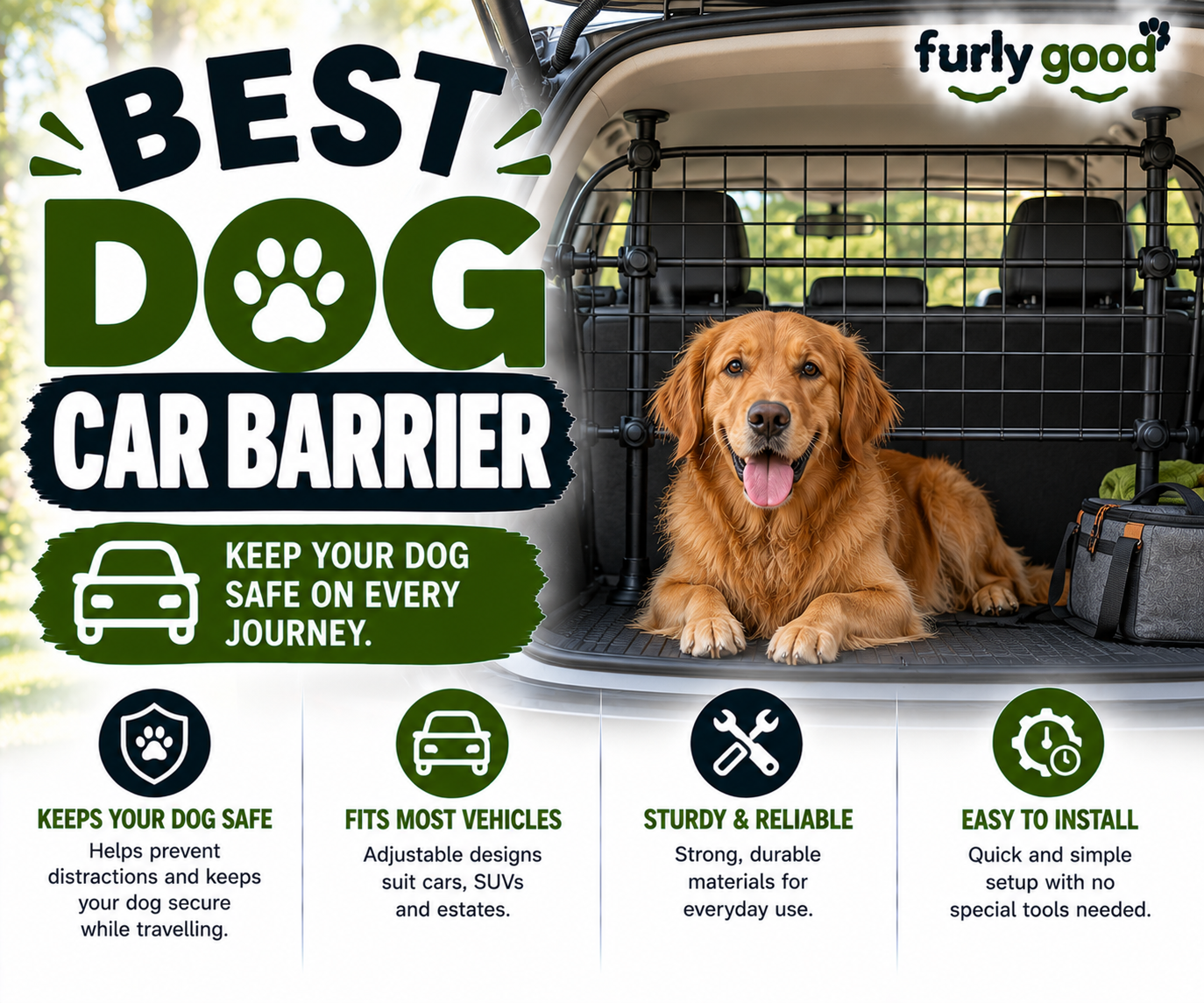
A crash-tested car crate or boot barrier prevents your dog being thrown during sudden braking. These aren’t cruel—many dogs enjoy the security of a defined space. Choose a crate sized so your dog can stand, turn, and lie down comfortably. Our guide to the best dog car crates explores options from budget to premium.

Seat Covers and Protection

Waterproof seat covers protect your upholstery from mud, wet fur, and accidents. They’re affordable, washable, and transform car journeys. See our seat cover guide for fitted and universal options.

Dog Carriers and Travel Bags

Soft carriers suit smaller dogs during car travel and public transport. Travel bags with handles make it easy to move your dog from car to destination. Our guide to dog carriers covers options for every size and journey type.

Ramps and Steps

Senior dogs and those with mobility issues struggle to jump into high boots. A ramp or step makes entry easier and reduces joint strain. They’re invaluable for older dogs and breeds prone to back problems. See our ramp guide for styles that fold for storage.

Travel Essentials

A collapsible travel water bowl keeps your dog hydrated at rest stops. Pack the bowl with your usual leads, harness, and waste bags. Our travel water bowl guide recommends compact, durable options. Our travel bag guide covers organised carrying solutions.

Building Your Dog Walking Kit

The right kit depends on your budget and needs. Here are three sample setups.

Budget Starter Kit (Around £60–80)

For basic daily walks, you need the essentials:

  • Flat collar with ID tag (£15–20)
  • Basic nylon harness (£20–25)
  • Standard 4–5 foot lead (£10–15)
  • Poo bag dispenser (£5–10)

This covers everyday neighbourhood walks. It’s not fancy, but it’s functional and safe.

Mid-Range Recommended Kit (Around £150–220)

A step up offers comfort, durability, and versatility:

  • Quality leather or nylon collar with secure buckle (£20–30)
  • Dual-clip harness or front-clip harness (£40–60)
  • Standard lead plus retractable lead (£35–50 combined)
  • Quality poo bag dispenser (£8–12)
  • Treat pouch (£15–20)
  • Dog coat for winter (£25–50)

This setup handles most situations: urban walks, training, seasonal changes, and park visits.

Premium Setup (Around £350–500)

For serious walkers and travel:

  • Premium brand harness (Julius K9, Ruffwear) (£80–120)
  • High-quality leather collar and lead set (£60–80)
  • Retractable and standard leads (£50–70)
  • Long-line for training (£20–30)
  • Car seat cover and crate (£80–120)
  • Dog coat, boots, and travel essentials (£40–60)

This comprehensive kit covers every scenario: daily walks, car travel, training, bad weather, and extended outings.

Frequently Asked Questions

Do I need both a harness and a collar?

Yes. A harness provides control and distributes pressure, whilst a collar with an ID tag ensures identification if your dog escapes. Many owners use both: harness for the lead, collar for the tag.

What’s the difference between front-clip and back-clip harnesses?

Back-clip harnesses attach the lead to your dog’s back—they’re comfortable but don’t actively discourage pulling. Front-clip harnesses attach to the chest and gently turn your dog toward you when they pull, making them ideal for strong pullers and reactive dogs.

Are retractable leads safe?

Retractable leads are safe when used properly in appropriate spaces—parks and open fields, not busy streets. Avoid using them with reactive dogs, young puppies, or in crowded areas. Choose sturdy models with reliable brakes, and never let your dog roam so far you lose sight of them.

How often should I replace walking gear?

High-quality harnesses and leads last 3–5 years with proper care. Replace them sooner if they show wear, fraying, or weakened attachment points. Puppies will need larger harnesses as they grow—often two or three times during their first year.

What’s the best harness for a strong puller?

Front-clip harnesses and head halters offer the most control for strong pullers. Start with a front-clip harness—they’re more comfortable than head halters and most dogs adjust quickly. If pulling persists, combine the harness with training and treat-based rewards for good lead manners.

Conclusion

Walking is one of the most important parts of your dog’s day—it provides exercise, mental stimulation, and quality time together. Having the right gear transforms walks from a chore into something you both enjoy. Whether you’re managing a young puppy, a reactive adolescent, or a beloved senior, the equipment you choose matters.

Start with the essentials: a well-fitted harness, a reliable lead, and a collar with ID tags. Add a front-clip option if your dog pulls, seasonal gear for UK weather, and travel equipment if you’ll be taking trips. As your dog grows and your routine evolves, you’ll refine your kit based on what works best.

Remember that no single piece of gear solves behavioural challenges alone. A good harness helps prevent pulling, but consistent training and positive reinforcement make the real difference. What matters most is that you and your dog are safe, comfortable, and enjoying the time together.

For detailed recommendations on specific gear, explore our guides to the best dog harnesses, dog leads, dog collars, and specialist equipment. Each guide dives deeper into brands, materials, and value to help you choose the perfect kit for your dog and lifestyle.

Some More Reviews Here..