Pet Grooming Tools: The Complete UK Guide for 2026

Most UK dog owners reach a point — usually around the first proper moult, or the first time a vet quotes £45 for a nail trim — when they realise grooming at home isn’t optional. It’s the difference between a comfortable, healthy dog and a dog who gets matted, sore, or anxious about being touched. The good news: with the right tools, most of it is genuinely simple to do yourself.

This guide pulls together everything we’ve covered in our individual grooming reviews — brushes, nail clippers, shampoo, hair dryers, de-shedding tools, grooming tables — and explains how the pieces fit together. Whether you’re starting from scratch with a new puppy or upgrading a tired old slicker brush, this is the framework we’d give a friend asking where to start.


Why Home Grooming Matters More Than You Think

Professional groomers are excellent and worth every penny for breeds that need scissoring, stripping, or full clip-downs. But home grooming isn’t a budget alternative — it’s a different job. A groomer sees your dog every six to eight weeks. You see your dog every day. Daily and weekly grooming is what catches mats before they form, finds ticks before they embed, keeps nails at a comfortable length, and — most importantly — teaches your dog that being handled, brushed, and bathed is a normal, calm part of life.

The dogs that struggle most at the vet or groomer are usually the ones whose owners outsourced all touch and handling. A dog that’s been gently brushed since puppyhood, had its paws held, and stood on a grooming table at home is a dog that can be examined, treated, and trimmed without trauma. That alone is worth the cost of the kit.

There’s also the practical side. UK vet bills for grooming-related problems — matted skin infections, overgrown nails affecting gait, ear infections in non-cleaned ears — run into the hundreds. A reasonable grooming kit pays for itself within a year, often much sooner.


Start Here: Know Your Dog’s Coat Type

Every grooming decision flows from your dog’s coat. The right brush for a Cocker Spaniel is the wrong brush for a Labrador. Get this part right and the rest of the kit becomes obvious.

Smooth-coated breeds

Whippets, Boxers, Staffies, Beagles, French Bulldogs. Short, single-layered coats that shed lightly all year. The brush that does the most work here is a rubber curry brush (the Kong Zoom Groom is the classic), used in circular motions. Combine with a soft bristle brush for finishing. No undercoat rake needed. Bath every 6-8 weeks at most — smooth coats over-strip easily.

Double-coated breeds

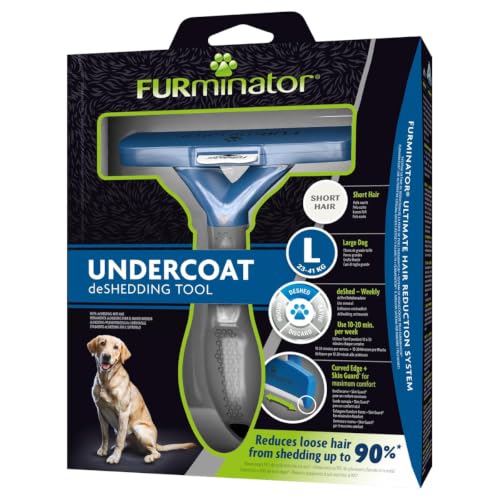
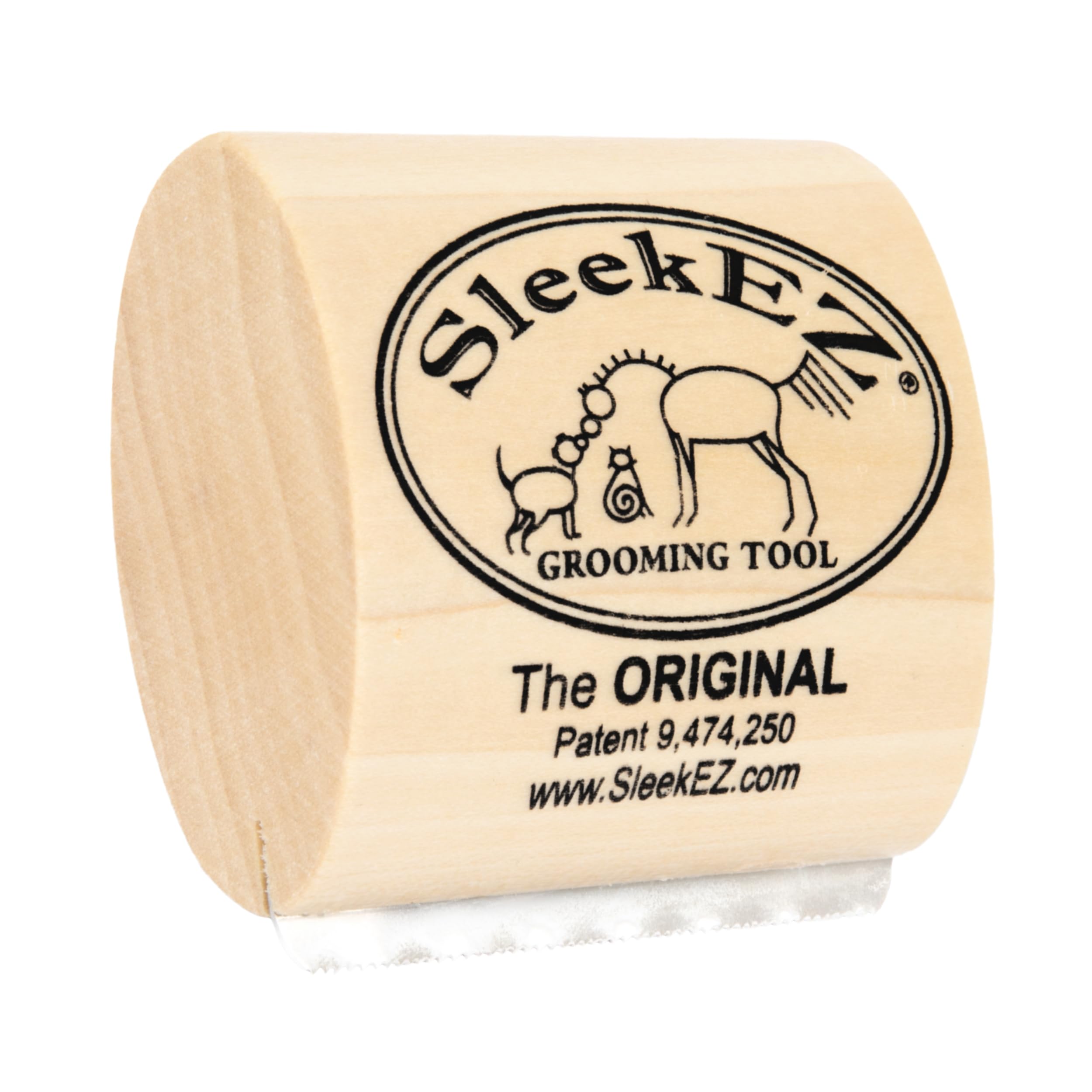
Labradors, Golden Retrievers, German Shepherds, Huskies, Border Collies, Corgis. A weatherproof topcoat over a dense, insulating undercoat. These breeds shed heavily — the spring and autumn moults can fill a bin liner. The kit here is a slicker brush for the topcoat, a metal de-shedding tool (FURminator-style or Sleekez) for the undercoat during moults, and a wide-toothed comb for finishing. Never shave a double coat — it disrupts the natural insulation and can grow back patchy.

Long, silky coats

Cavaliers, Yorkies, Maltese, Shih Tzus, Afghan Hounds. These coats need daily attention to prevent matting around the ears, armpits, and trousers. Pin brush for general work, slicker brush for tangles, metal comb for finishing and finding the mats your fingers can’t feel. Hair dryers with a stand are a real upgrade for these coats — air-drying leaves them lank.

Curly and wool coats

Poodles, Bichons, Cockapoos, Cavapoos, Labradoodles. Low-shedding but high-maintenance. These coats mat easily and need brushing through to the skin every other day. A good slicker brush, a metal comb, and a willingness to clip them down between groomer visits are essential. Most owners of curly-coat dogs end up buying clippers — it’s cheaper than monthly groomer trips, even with a quality clipper set.

Wire and broken coats

Terriers (Border, Jack Russell, Wire Fox), Schnauzers, Spaniels with feathering. These coats benefit from hand-stripping by a professional once or twice a year, but between visits a slicker brush and a stripping comb keep them looking sharp. Don’t clip wire coats with electric clippers if you can avoid it — it kills the texture and fades the colour.


The Core Grooming Tool Categories

There are six tool categories every UK dog household benefits from owning. We’ve covered each in detail in its own review, linked at the end of every section below. This is the overview — what each does, when you need it, and what to expect to spend.

1. Brushes

The single most-used grooming tool in any UK home. The right brush depends entirely on your dog’s coat type (see above). Most households end up with two or three: a daily brush, a slicker for tangles, and a comb for finishing. Expect to spend £8-£15 for a decent slicker, £12-£25 for a quality pin or bristle brush, and £20-£40 for professional-grade options like the Chris Christensen range.

The single biggest mistake here is buying a cheap slicker with hard, sharp pins — they scratch the skin and put dogs off being brushed for life. Spend a little more, look for rounded tips and slightly flexible pins, and your dog will tolerate brushing far better.

Read more: Best Dog Brush UK 2026 →

2. Nail Clippers and Grinders

Long nails change how a dog walks. The toes splay, the joints take strain, and over time you’ll see arthritis show up earlier than it should. The simple test: if you can hear nails clicking on a hard floor, they’re too long.

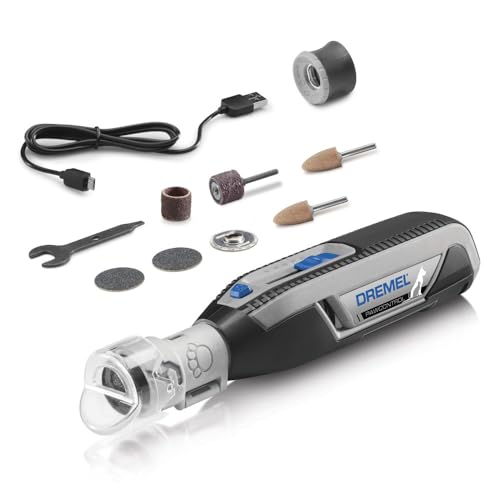
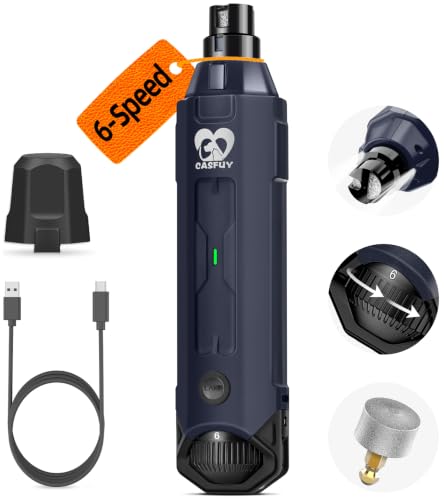
Two main tool types. Scissor-style clippers (Millers Forge, Safari) are quick and good for confident handlers. Guillotine-style clippers are easier on small dogs but harder on dense black nails. Grinders (the Dremel-style rotary tools, or pet-specific ones like the Casfuy) are slower but much harder to over-cut with — they’re our top recommendation for nervous owners or dogs with black nails where the quick is invisible. Budget £10-£20 for clippers, £25-£45 for a quality grinder.

Read more: Best Dog Nail Clippers UK 2026 →

3. Shampoo (and Conditioner)

Never use human shampoo on a dog. Human skin sits at pH 5.5; dog skin sits at pH 6.5-7.5. Wash a dog in human shampoo regularly and you strip the natural oils, dry the skin, and trigger itching that owners sometimes mistake for allergies.

Three categories worth keeping in the cupboard. A general everyday shampoo (Animology, Wild Wash, Pet Head — £8-£15). An oatmeal or hypoallergenic option for dogs with sensitive skin. And a deep-clean or de-shed shampoo for the worst post-walk mud days. Most dogs need bathing every 4-8 weeks at most — over-bathing is a far more common problem than under-bathing in the UK climate.

Read more: Best Dog Shampoo UK 2026

4. Grooming Table (or Equivalent)

An optional category for casual owners — but if you have a long-coated breed, multiple dogs, or a back that doesn’t enjoy bending over the bathtub for forty minutes, a grooming table is genuinely transformative. Folding tables with adjustable legs and a non-slip top run £60-£120 in the UK. Hydraulic tables (£250+) are mostly overkill for home use unless you’re grooming several large dogs regularly.

What a table really gives you is a controlled space. The dog is at the right height, can’t pace, has a non-slip surface, and learns that being on the table means staying still. Even casual brushing becomes faster and calmer.

Read more: Best Dog Grooming Table UK 2026

5. Pet Hair Dryer

A human hairdryer is too hot and too low-powered for dog coats. Pet-specific dryers (also called blasters or force dryers) push high volumes of cool or low-warm air through the coat, drying the dog without overheating the skin and — crucially — blowing loose undercoat out at the same time. For a heavy-shedding double-coated breed, ten minutes with a force dryer in the garden is more effective than half an hour with a slicker brush.

Budget force dryers from brands like Shelandy, SHELANDY 2400W, or PetTech start at around £55-£85. Premium UK-favourite K9 III dryers run £350+ — overkill for one dog, essential if you have multiple long-coated dogs.

Read more: Best Dog Hair Dryer UK 2026 →

6. De-shedding Tool

Only relevant for double-coated breeds, but for those breeds it’s the tool that transforms moulting season from a six-week house apocalypse into a manageable couple of garden sessions. The category is dominated by the FURminator — a metal blade in a moulded handle — and challenger brands like Sleekez (a single curved metal edge with no handle complexity). Both work; they suit different hand styles.

Two important rules. Don’t use a de-shedding tool on a non-shedding breed (Poodles, Bichons, Doodles) — there’s no undercoat to remove, and you’ll damage the topcoat. And don’t use it daily — twice a week during moult is plenty; once every couple of weeks the rest of the year. Over-use thins the coat unnecessarily.

Read more: Best De-shedding Tool UK 2026 → and our FURminator vs Sleekez comparison

A Realistic UK Grooming Starter Kit

If you’re starting from zero with a single adult dog, here’s what we’d actually buy. Adjust the brush selection for your dog’s coat type using the guide above.

The basics (every dog, every household)


    • Coat-appropriate primary brush: £8-£25

    • Stainless steel comb: £6-£12

    • Nail clippers or grinder: £12-£45

    • General-purpose dog shampoo: £8-£15

    • Microfibre dog towel: £8-£15

    • Grooming wipes (for paws and quick cleans between baths): £5-£10

Total baseline: roughly £50-£120. This handles 80% of grooming for most short and medium-coated breeds.

Add-ons for double coats and heavy shedders


    • De-shedding tool: £15-£35

    • Slicker brush (if not already your primary): £10-£22

    • Pet hair dryer / force dryer: £55-£120 entry-level

Add-ons for long, curly, or hand-stripped coats


    • Pin brush: £12-£25

    • Slicker brush (firm but flexible): £12-£25

    • Detangling spray or leave-in conditioner: £6-£12

    • Stripping comb (wire and broken coats only): £10-£20

    • Grooming table: £60-£120 for folding, £250+ hydraulic

    • Clippers (for owners who want to do clip-downs): £50-£150

Where to spend more: brushes (a good slicker lasts a decade) and dryers (the cheap ones are loud and overheat). Where to save: shampoo (own-brand pet shampoos from Pets at Home work fine for most dogs), towels (microfibre is microfibre), and grooming wipes.

Building a Grooming Routine That Works

Tools matter, but the routine matters more. Here’s the rhythm we’d suggest for most UK households, adjusted for coat type.

Daily (2-5 minutes)

A quick brush-through, particularly for long-coated and curly breeds where mats form in 24-48 hours behind the ears, in the armpits, and on the back of the legs. For short coats, daily brushing is less critical — twice a week is usually enough, but the daily handling habit is still worth keeping.

Weekly (15-20 minutes)

A more thorough brush-out using both a primary brush and a comb. Check ears for wax build-up, redness or odour. Check between paw pads for grass seeds, mud balls, or ice (in winter — the salted pavements are brutal on paws). Trim or grind nails — a weekly tiny trim is far easier on dogs than a monthly major one.

Monthly to 6-weekly

A full grooming session: bath, dry, full brush-out, nail trim, ear clean, and any trimming or clipping. If you use a professional groomer, this is the cycle to slot their visits into.

Twice a year (UK climate)

The big moult sessions in spring and autumn for double-coated breeds. These are the weeks the de-shedding tool earns its keep. Two or three thorough sessions over a fortnight, ideally in the garden, will remove most of the loose undercoat before it ends up on your sofa.

Different Life Stages, Different Grooming

Puppies

The job with a puppy is teaching, not grooming. Their adult coat hasn’t come in yet, so for the first six months you’re mostly using the brush as a habit-builder. Five minutes a day, lots of treats, ending while the puppy is still happy. Handle paws, ears, and tail every single day even if you don’t need to — the puppy who’s used to having paws held becomes the adult dog who tolerates nail trims without drama.

Don’t bath a puppy more than once a month unless they’ve genuinely rolled in something. Their skin is more delicate than an adult’s. And introduce dryers and clippers gradually — have them switched off in the room first, then on briefly nearby, then used near the puppy, before any actual grooming happens with them.

Adults

The default phase for most of the routines and tools described above. Adult dogs in stable health and consistent coat condition are the easiest to groom — most of the work is maintenance rather than problem-solving.

Seniors

Older dogs need gentler handling and shorter sessions. Arthritic joints don’t enjoy long stands on a grooming table; mobility-limited dogs may struggle with baths in high-sided tubs. Consider a non-slip mat in the bath, a shower hose for rinsing, and breaking grooming into multiple short sessions rather than one long one. Coats often thin and skin becomes more delicate — switch to softer brushes and reduce de-shedding frequency. Watch for new lumps, sore spots, or changes in coat texture; weekly grooming is one of the best ways to catch health issues early.

The Most Common UK Grooming Mistakes

After researching reviews, talking to UK groomers, and reading the same complaints in dozens of pet forums, a handful of mistakes come up over and over.


    • Brushing only the top of the coat. Long and curly coats mat from the skin outwards. A brush that glides over the surface feels like it’s working but does almost nothing. Lift the coat in sections and brush from the skin out.

    • Using a de-shedding tool on the wrong coat. FURminator-style tools are designed for double coats only. Used on a Poodle, Bichon, or doodle they damage the topcoat and pull intact hairs.

    • Bathing too often. Most healthy UK dogs need a bath every 4-8 weeks at most. Weekly bathing strips skin oils and triggers itching.

    • Cutting nails too aggressively. Dark-nailed dogs are particularly easy to over-cut. Use a grinder if you’re at all uncertain — a slow, gradual reduction is far safer than a single confident snip.

    • Skipping the conditioner. On long, silky, or curly coats, conditioner reduces matting between baths and makes brushing easier for weeks afterwards.

    • Grooming in the wrong room. Don’t groom in the kitchen or living room and then complain about hair everywhere. A bathroom, utility room, or — best — the garden contains the mess.

When to Call a Professional

Home grooming covers most of what most dogs need, but there are situations where a professional groomer or vet is the right call:


    • Severe matting that can’t be brushed out without distress — professionals have the clippers and the patience to deal with this safely.

    • Hand-stripping for terriers and similar breeds — a skill that takes years to learn properly.

    • Full breed-standard scissoring on Cockers, Schnauzers, Westies, Poodles — unless you’ve trained for it, the result will look uneven.

    • Anal gland expression — best left to a vet or experienced groomer.

    • Skin conditions, hot spots, or persistent itching — these are vet-territory, not grooming-tool problems.

A good rhythm for most UK households: home grooming weekly, professional groomer every 6-12 weeks for breeds that need clipping, and an honest conversation with your groomer about which tools they’d recommend you use between visits.

Frequently Asked Questions

How much should I budget for a year of dog grooming at home?

For most short-coated dogs, the kit lasts years and the consumables (shampoo, wipes) run roughly £30-£50 a year. For long or curly coats, expect £60-£100 a year on consumables plus replacement brushes every two to three years. Comparable to a single professional groom every couple of months.

Can I use baby shampoo on my dog in an emergency?

Once, in a pinch, baby shampoo is less harmful than adult human shampoo because it’s milder. But it’s still pH-wrong for dogs. Use it once if you must, then go back to a proper dog shampoo as soon as you can.

My dog hates being brushed — what am I doing wrong?

Usually one of three things. First, the brush itself is uncomfortable — cheap slickers with hard pins are the main culprit. Second, the dog has mats already, and brushing is genuinely pulling. Third, the dog has never been desensitised to handling. Try a softer brush, deal with the mats (clip them out if needed, don’t fight them), and rebuild the routine slowly with treats and short sessions. Months, not days.

Are home dog clippers worth buying?

If you have a curly-coated dog who needs full-body clipping every 6-8 weeks, yes — the kit pays for itself within a year. If you have a smooth or double-coated dog, no — those coats shouldn’t be clipped at all.

How often should I trim nails?

Weekly micro-trims are far better than monthly heavy ones, both for your dog’s comfort and for the quick (the blood vessel inside the nail). Weekly grinding a fraction of a millimetre encourages the quick to recede; monthly heavy cutting doesn’t, and risks pain and bleeding.

Do I need different tools for puppies vs adult dogs?

Mostly the same tools, just used more gently. Slickers should be softer; clippers are usually too big until the puppy reaches close to adult size; dryers should be used on cool, low-flow settings. The main puppy-specific item worth buying is a puppy-formula shampoo — milder than the adult version.

Putting It All Together

A good home grooming setup isn’t about owning the most tools — it’s about owning the right tools for your dog’s coat, using them consistently, and building grooming into the rhythm of your week. The investment is small. The payoff is a dog that’s comfortable, healthy, easier to live with, and — quietly — happier.

For detailed picks in each category, our individual reviews go deeper on specific products, prices, and the trade-offs between brands. Start with the brush guide if you’re new to all of this; it’s the tool you’ll use most.

Read Next


Some More Reviews Here..