Five years ago, pet technology meant a basic automatic feeder and not much else. In 2026, it is an interconnected system: AI-enabled cameras, real-time GPS collars, microchip-reading cat flaps and feeders that adjust portions on a vet’s advice. This guide explains the main categories, what is worth buying and where to start.
Why Pet Tech Is Worth Taking Seriously in a UK Home
Hybrid working leaves pets alone at unpredictable times, smaller urban gardens keep cats indoors or supervised, and rising vet costs make early detection valuable. Pet tech fills the gap by tracking daily patterns, such as drinking, activity and signs of separation anxiety, without replacing a vet or an owner.
The Six Core Pet Tech Categories
1. Pet Cameras
Simple view-and-talk cameras, such as the Furbo and Petcube, sit at one end, and full home-monitoring systems at the other. Look for good two-way audio, night vision and an app that loads quickly. Treat-tossing cameras can help dogs with mild separation anxiety, while cats respond better to audio and laser features. Cameras at £40 to £150 or so are generally good enough, and above £200 mostly adds niche features. The Furbo 360 is the best-known dog camera.
No products found.
2. GPS Trackers
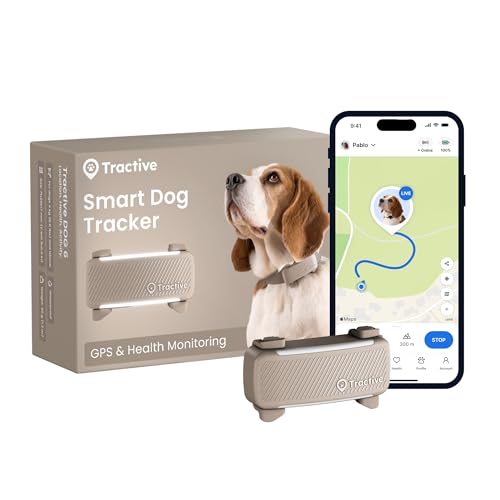
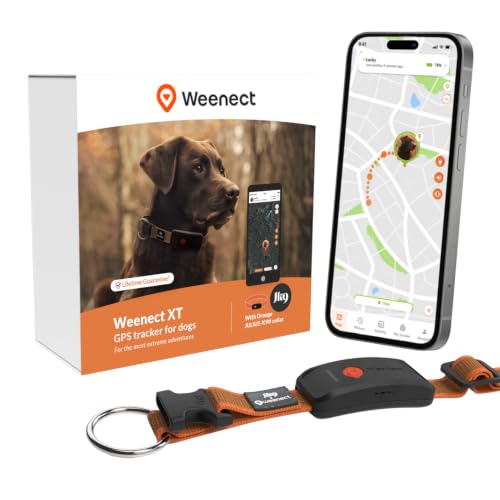
Dog trackers, such as Tractive and Weenect, focus on live range and activity monitoring, with days of battery life. Cat trackers focus on light weight and breakaway collars. Most cellular trackers cost £30 to £80 upfront and then £4 to £10 a month for a SIM, while Bluetooth trackers such as AirTags have no subscription but rely on other people’s phones. A 30 per cent drop in activity can signal pain, illness or ageing.

3. Automatic Feeders
Feeders help with scheduled portions, weight management and multi-pet homes. Basic timed feeders cost £30 to £60, app-connected models £70 to £150 and microchip-reading feeders such as the SureFeed £90 to £140. Jam resistance matters most, so look for stainless steel hoppers and wide chutes.


4. Water Fountains
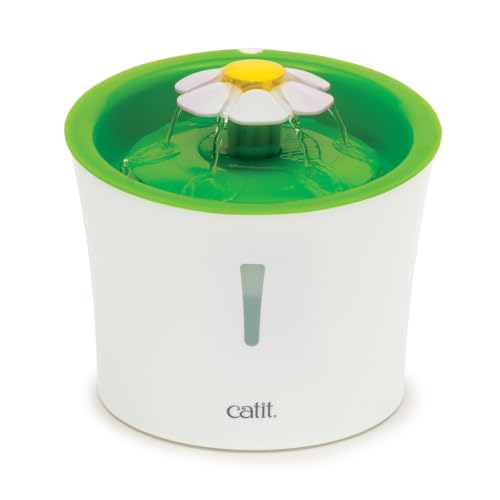
Cats drink noticeably more from moving water, which may help to reduce kidney and urinary problems. Plastic fountains, such as the Catit and PetSafe Drinkwell, cost £25 to £45 and stain sooner, while stainless steel and ceramic models, such as the PETLIBRO Dockstream, cost £40 to £80 and stay cleaner for longer. Budget £20 to £40 a year for filters, and remember that a small fountain serving three cats needs frequent refilling.


5. Smart Pet Doors
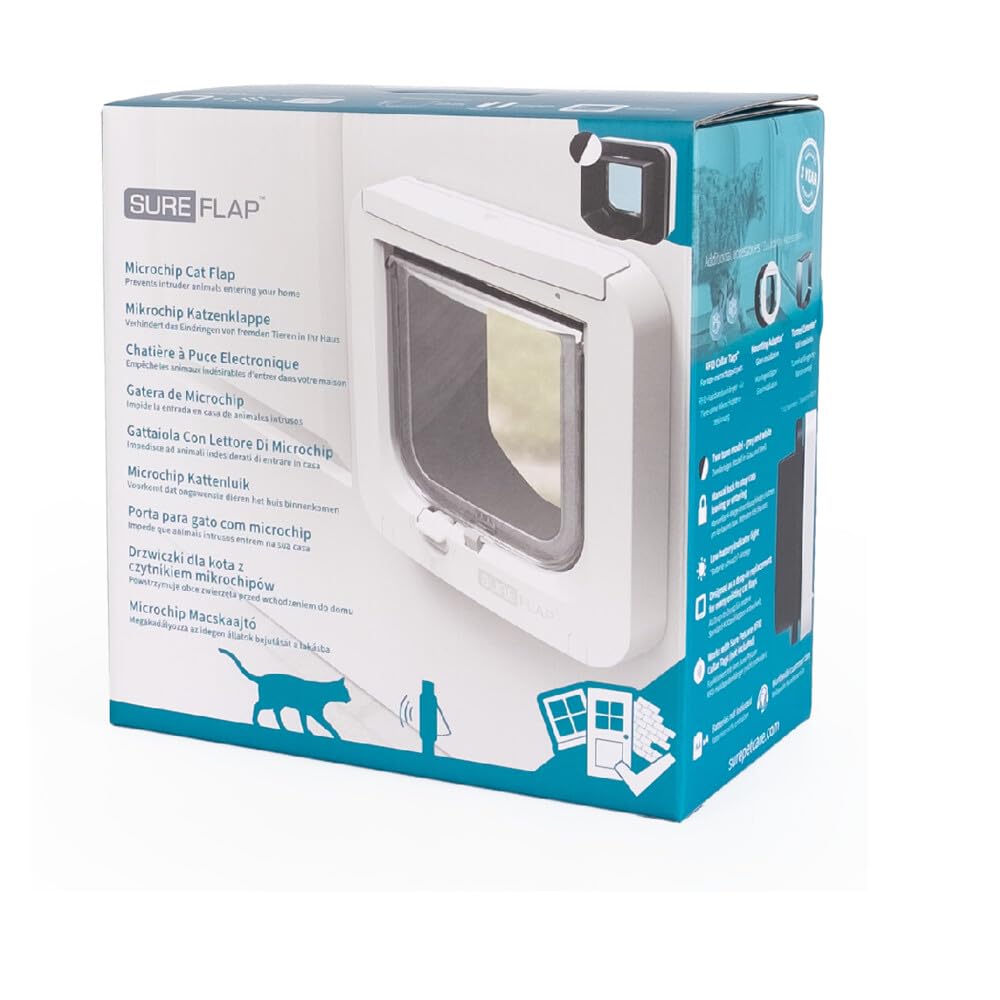
Microchip cat flaps stop neighbouring cats coming in, let you set curfews and can log activity in an app. SureFlap is the dominant UK brand. The basic SureFlap Microchip Cat Flap costs £70 to £90, and the Connect version, at £130 to £160, adds app control, history and curfew scheduling. Fitting into glass needs a specialist cut, and renters should check their tenancy.

6. Connected Health and Behaviour Devices
Smart collars that measure heart rate, smart litter trays and behaviour trackers are mostly early-adopter territory and often need subscriptions. Smart litter trays have matured, though, and the Litter-Robot 4 cuts daily litter work and can flag early kidney or thyroid changes.

Where to Start: A Realistic Pet Tech Build Order
For an indoor-outdoor cat, buy a GPS tracker first, then a microchip cat flap, then a water fountain. A camera is optional. For an indoor cat or a multi-cat home, start with a water fountain, then add a camera and a microchip feeder for each cat on a controlled diet. A smart litter tray is a high-ticket extra.
For a dog of any size, start with a GPS tracker with activity monitoring, then add a camera with two-way audio, then an automatic feeder. A fountain is lower priority. For small pets such as rabbits and guinea pigs, tech is minimal, and a simple camera pointed at the enclosure is the only category that is consistently useful.
App Ecosystems: The Part Nobody Mentions
Stay within one brand family where you can. Sure Petcare devices share one app, and Tractive specialises in GPS, while PetSafe spans several categories with separate apps. Check real UK reviews before you buy, since the biggest UK complaint is apps that work well in the US but have unreliable cellular coverage outside cities. Watch out for subscription stacking too, since two GPS trackers, a camera and a connected feeder can add up to £25 a month.
Common UK Pet Tech Mistakes (and How to Avoid Them)
Buying a US-only product can leave you with the wrong cellular bands and region-locked features, so look for UK retailers. Not budgeting for subscriptions turns a £40 tracker into a £100 first-year purchase. Buying for the dream pet, rather than the real one, is the most common cause of returns. Underestimating Wi-Fi is another trap, since most devices need 2.4 GHz and can struggle in the garden. And for cats, always use a breakaway collar, as UK cat charities recommend.
What Is Changing in 2026
AI behaviour analysis has become useful, particularly for early signs of separation anxiety. Subscription-free tracking through Apple Find My and Tile is emerging, though cellular GPS still has the range advantage. Several brands are working on Matter and Google Home support, but buy on what a device does today, not on future promises.
The Furlygood Take
Pet tech is at its best when it is invisible. The fountain running quietly, the tracker checked rarely and the cat flap keeping out the neighbour’s tom all earn their place, while flashier gadgets often end up unused. Start with one device that solves a real problem, and expand from there.
Explore the Full Pet Tech Cluster
Read our guides to the best pet cameras, dog GPS trackers, cat GPS trackers, automatic pet feeders, pet water fountains and smart pet doors for detailed reviews of each category.
Frequently Asked Questions
Do I actually need pet tech, or is it gimmicks? Two categories justify themselves in most homes: GPS trackers and water fountains. The rest depend on your lifestyle. A camera and a connected feeder are far more useful if you are out for eight to ten hours a day.
Is subscription GPS worth it over an AirTag? An AirTag is fine for a lead slip in the park, but for an overnight cat adventure or a true runaway, cellular GPS gives a real-time location, and that is worth the £4 to £10 a month.
Can pet tech replace my vet? No. It gives your vet better information, such as a three-week drop in activity, but it does not replace an examination.
Will any of this work with Alexa or Google Home? Some products claim to, but results are patchy, and each app mostly works on its own.
Is it worth buying older, cheaper versions? Sometimes. Older cameras and fountains work well at a discount, but older GPS trackers can age badly as cellular networks change, so check UK 4G support first.
Conclusion
Two or three well-chosen devices, bought for the pet you actually have, can improve everyday life and flag early health problems. Start with an existing problem, use the device for a few weeks, and the next purchase will become obvious.