Best Dog Brush UK 2026

Few things tell you more about your week than the state of your sofa cushions. If your dog is shedding in handfuls, leaving tumbleweeds of fur drifting along skirting boards, or developing tangles behind the ears, the right brush can transform grooming from a battle into a five-minute bonding session. The trouble is that the brush aisle at Pets at Home is vast, and online listings are even worse — slicker brushes, bristle brushes, undercoat rakes, rubber curry mitts, deshedding tools, pin brushes. Pick the wrong one and you either scratch your dog’s skin or leave the undercoat untouched.

We’ve pulled together the brushes worth your money in 2026, with honest notes on what each one actually does well, what it doesn’t, and which coat type it suits. Whether you’ve got a double-coated Husky, a wiry Schnauzer, or a smooth Labrador, there’s a brush below that earns its keep.

Quick Comparison

ProductBest ForPrice RangeRating
FURminator Undercoat deShedding ToolHeavy shedders & double coats£25-£455/5
Mikki Dual Slicker BrushEveryday all-rounder£8-£124.5/5
Kong Zoom GroomShort coats & bath time£7-£104.5/5
Ancol Ergo Wooden Slicker BrushBudget pick for medium coats£6-£94/5
Wahl Pro-Pin Pro SlickerLong-haired & curly coats£15-£224.5/5

Our Top Picks

1. FURminator Undercoat deShedding Tool

Best for: heavy shedders and double-coated breeds.

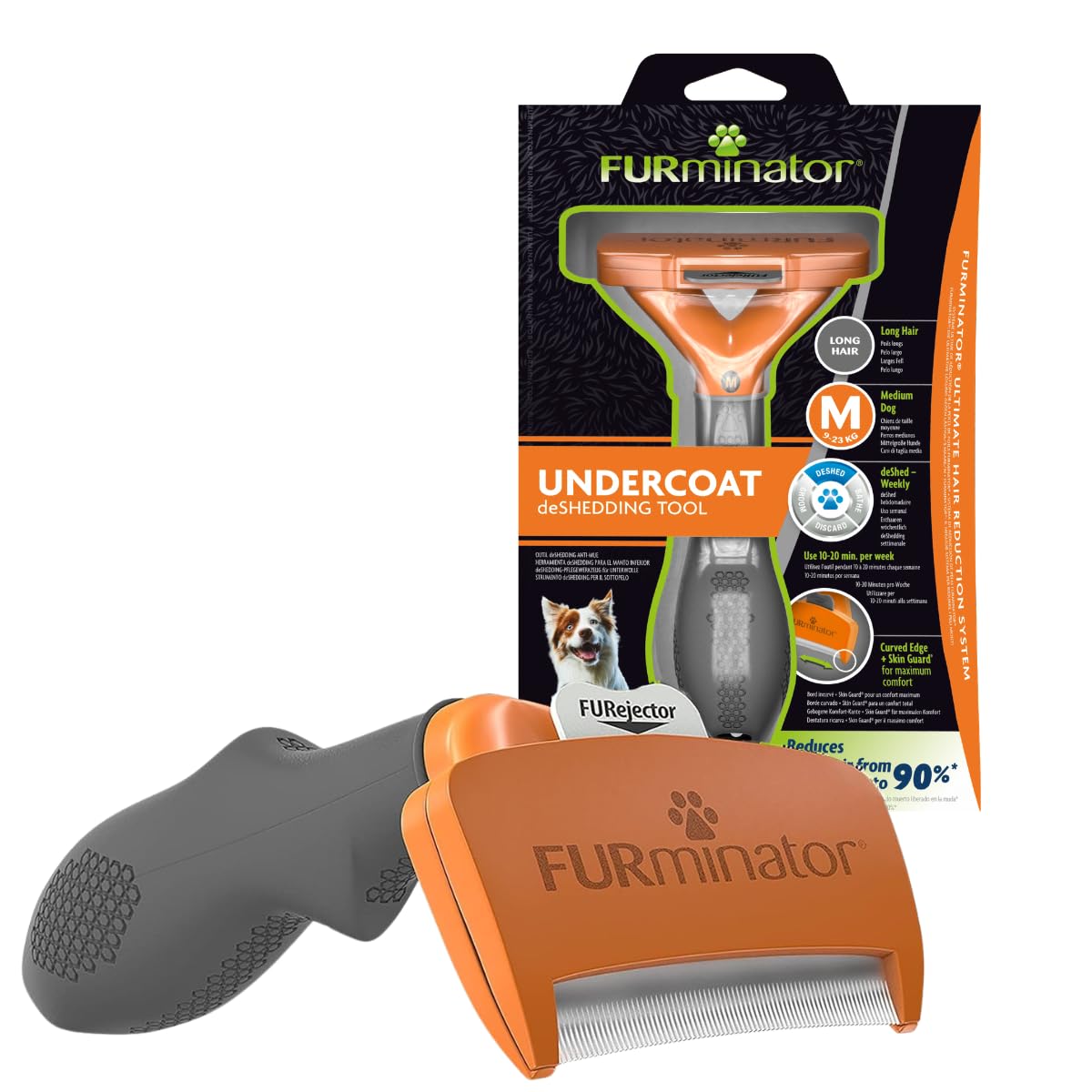
The FURminator has been the benchmark deshedding tool for over a decade, and the 2026 line-up still leads the field. The stainless-steel edge slides through the topcoat to lift dead undercoat without cutting healthy guard hairs, and the FURejector button pops the captured fur off the blade in one click — a small detail, but a welcome one when you’re knee-deep in a spring moult.

Used weekly on a Labrador, German Shepherd, or Husky, it noticeably cuts the volume of hair ending up on the carpet. We’d avoid it on single-coated breeds (Poodles, Yorkshire Terriers, Bichons) — there’s no undercoat to lift, and you risk stripping topcoat instead. Match the blade size to your dog: small for under 10kg, large for 25kg+, and the long-hair version if your double coat trails past 5cm.

What we like:

  • Genuinely reduces loose hair around the home with regular use
  • FURejector button makes cleanup quick and clean
  • Comfortable handle that doesn’t tire your wrist
  • Blade quality holds up after years of weekly use

Worth knowing:

  • Pricier than basic brushes — the small dog version starts around £25, large can hit £45
  • Not suitable for single-coated or curly-coated breeds
  • Easy to overdo it — 5-10 minutes a session is plenty

Specifications:

Sizes availableSmall, Medium, Large, Long Hair, Short Hair variants
Suitable forDogs 4kg-50kg with double coats
MaterialStainless-steel blade, rubberised handle
Where to find itAmazon UK, Pets at Home, Zooplus UK

2. Mikki Dual Slicker Brush

Best for: an everyday brush that works across most coat types.

Mikki is the brand most UK groomers reach for when they need something dependable without the premium price tag, and the Dual Slicker is the workhorse of the range. One side carries fine bent pins for lifting loose hair and small mats; the other has rounded plastic-tipped pins that finish the coat and stimulate the skin. It’s the brush we’d recommend if you only buy one.

On Cocker Spaniels, Border Collies, and Cavalier King Charles Spaniels it pulls light tangles free without yanking. The bent pins do flex over time, so expect to replace it every couple of years if you’re brushing regularly — at this price it’s not a hardship.

What we like:

  • Two grooming actions in one tool
  • Comfortable, ergonomically shaped handle
  • Available in three sizes to fit small to large dogs
  • Sensible price for the build quality

Worth knowing:

  • Pins can bend if you use heavy pressure on dense coats — let the brush do the work
  • Not the right tool for serious matting; you’ll want a dematting comb for that

Specifications:

Sizes availableSmall, Medium, Large
Suitable forMost coat types except heavy double coats
MaterialStainless-steel pins, plastic body, rubber grip
Where to find itPets at Home, Amazon UK

3. Kong Zoom Groom

Best for: short-coated breeds and bath time.

Don’t let the toy-like rubber design fool you — the Zoom Groom earns a place on this list because it does one job brilliantly: massaging shampoo deep into the coat and lifting loose topcoat hair in the process. It’s also the only brush most short-haired dogs actively enjoy. On Staffies, Boxers, French Bulldogs, and smooth-coat Dachshunds it works the suds in and delivers what looks suspiciously like a contented dog grin.

The rubber teeth generate a small static charge that pulls dead hair off the topcoat, and the whole thing rinses clean in seconds. You won’t get into a thick undercoat with it — pair it with a FURminator for double-coated dogs — but for everyday short-coat tidying it’s hard to beat at under £10.

What we like:

  • Excellent for working shampoo through the coat
  • Most dogs genuinely enjoy the massage feel
  • One-piece rubber design — nothing to break or rust
  • Cheap enough to keep one in the bathroom and one by the back door

Worth knowing:

  • Won’t reach undercoat on double-coated breeds
  • Rubber can pull harder on long, fine fur — keep it for short coats

Specifications:

Sizes availableSmall, Regular
Suitable forShort-haired dogs of all sizes
MaterialSolid natural rubber
Where to find itAmazon UK, Pets at Home, independent pet shops

4. Ancol Ergo Wooden Slicker Brush

Best for: a budget pick for medium-coated breeds.

Ancol has been making sensibly priced UK pet kit since the 1970s, and the wooden-handled slicker is the unfussy starter brush we’d hand to any new puppy owner. The bent steel pins are protected with small comfort tips and the wooden handle feels nicer in the hand than a moulded plastic one. There’s nothing flashy here — and that’s the appeal at well under £10.

It’s a good choice for spaniels, terriers, and crossbreeds with medium-length coats. Heavy double coats will out-pace it, and very fine long fur (think long-haired Chihuahua) needs softer pins. For most family dogs, though, this is plenty of brush.

What we like:

  • Genuinely low price point
  • Comfortable wooden handle
  • Wide head covers ground quickly on medium dogs
  • Easy to clean — pull captured fur out by hand

Worth knowing:

  • Pin tips can be firm — use light pressure on sensitive skin
  • Not designed for heavy deshedding work

Specifications:

Sizes availableSmall, Large
Suitable forShort to medium coats, most family dogs
MaterialWood handle, steel pins with comfort tips
Where to find itPets at Home, Amazon UK, independent retailers

5. Wahl Pro-Pin Pro Slicker

Best for: long-haired and curly-coated breeds.

Wahl’s grooming tools sit at the more serious end of home grooming, and the Pro-Pin Slicker is the one we’d buy for a Cockapoo, Goldendoodle, Bichon, or any of the curly mixes that have taken over UK households. The pins are longer, more flexible, and set into a soft pad that yields slightly under pressure — a small change that makes a real difference on coats prone to matting.

If your dog needs daily brushing to stay tangle-free, this is the one. The self-cleaning version (a button retracts the pins so you can wipe collected hair away) costs a few pounds more and is worth it. Use it after a quick spritz of detangling spray to avoid pulling on matted areas.

What we like:

  • Long, flexible pins reach through curly and long coats
  • Cushioned pad cuts down on skin scratching
  • Self-cleaning version saves time on busy grooming days
  • Holds up to daily use

Worth knowing:

  • Overkill for short-coated dogs
  • Self-cleaning model costs more — usually £18-£22

Specifications:

Sizes availableStandard, Large
Suitable forLong-haired and curly-coated breeds
MaterialStainless-steel pins, cushioned pad, rubber grip
Where to find itAmazon UK, Pets at Home, grooming suppliers

6. Trixie Soft Brush with Natural Bristles

Best for: puppies, sensitive dogs, and finishing.

Some dogs want nothing to do with a slicker brush — puppies new to grooming, older dogs with thinning coats, or smooth-coats who simply don’t need much. The Trixie soft natural-bristle brush is the gentlest option in our line-up. It distributes the natural oils through the coat, lifts surface dust and dander, and acts as a calm introduction to grooming for nervous dogs.

We’d reach for it as a finishing brush after using a slicker on a longer coat, or as the everyday brush for a Pug, smooth Dachshund, or Italian Greyhound. It won’t shift undercoat and it won’t tackle mats — that’s not the job.

What we like:

  • Soft enough for puppies and seniors
  • Brings out a natural shine on short coats
  • Wooden handle, recyclable bristles

Worth knowing:

  • Limited deshedding power
  • Bristles flatten over a couple of years of regular use

Specifications:

Sizes availableOne size, ergonomic
Suitable forShort coats, puppies, sensitive dogs
MaterialNatural bristles, wooden handle
Where to find itAmazon UK, Zooplus UK

Buying Guide: How to Choose the Best Dog Brush

What to Look For

Match the brush to the coat first, the dog’s size second. A double-coated breed needs a deshedding tool that reaches the undercoat. A curly-coated breed needs a slicker with longer, flexible pins. A short-coated breed needs a rubber curry or soft bristle brush. Get this right and you’ll spend ten minutes a week instead of an hour.

Check the pin tips. Capped or rounded pins are far kinder on the skin than bare metal, especially on dogs with thin coats. The handle matters more than you’d think — if you’re brushing a big dog daily, an ergonomic grip saves your wrist. And cheap brushes with brittle plastic bodies tend to snap; spending £8 instead of £4 buys a tool that lasts years.

Brush Types Explained

Slicker brushes have fine bent wires set into a flat pad. They lift loose hair and small mats and suit most medium-to-long coats. Pin brushes look like a human hairbrush with widely spaced pins; they’re best for finishing long coats. Bristle brushes use natural or synthetic bristles and suit short coats and puppies. Deshedding tools (FURminator-style) have a stainless-steel blade that reaches the undercoat — only for double-coated breeds. Rubber curry brushes/mitts are great in the bath and on smooth coats. Undercoat rakes have widely spaced metal teeth and tackle the densest double coats.

Size Guide

Dog size reference:

  • Small (under 10kg): Chihuahuas, Yorkies, Toy Poodles — small head brushes, soft pin tips
  • Medium (10-25kg): Spaniels, Beagles, Border Collies — standard slicker, dual-sided brush
  • Large (25-40kg): Labradors, Golden Retrievers, German Shepherds — wide-head slicker, large deshedder
  • Extra Large (40kg+): Great Danes, Mastiffs, St Bernards — large or extra-large deshedder, long-handled slicker

How Much Should You Spend?

  • Budget (under £10): Ancol slicker, Kong Zoom Groom, basic Mikki — all genuinely useful and a sensible starting point
  • Mid-range (£10-£25): Mikki Dual Slicker, Wahl Pro-Pin, smaller FURminator — best balance of build quality and longevity for most homes
  • Premium (£25+): Large FURminators, professional grooming tools, self-cleaning slickers — worth it if you’re brushing a heavy shedder weekly

Frequently Asked Questions

How often should I brush my dog?

Short-coated dogs benefit from a weekly once-over. Medium and long coats need brushing two or three times a week to prevent tangles. Curly-coated breeds (Poodles, Cockapoos, Bichons) need daily attention to stop mats forming, particularly behind the ears, under the legs, and around the collar.

Can I use the same brush on a puppy as an adult dog?

Puppies have softer skin and a finer coat, so start with a soft-bristle or rubber brush until they’re around six months. Make the early sessions short and positive — even just a minute at a time — so brushing becomes something they look forward to rather than tolerate.

What’s the difference between a slicker brush and a deshedding tool?

A slicker brush works on the topcoat, lifting loose hair and detangling. A deshedding tool (such as a FURminator) has a sharp metal edge that reaches into the undercoat to pull out the dead, fluffy hair beneath the topcoat. Slickers suit most coat types; deshedders are for double-coated breeds only.

Will brushing damage my dog’s coat?

Only if you use the wrong tool or too much pressure. Let the brush do the work, never force it through a knot, and stop if your dog flinches or the skin reddens. If you’re unsure, ask your groomer to show you the right technique for your dog’s coat.

Final Verdict

If you only buy one brush, make it the Mikki Dual Slicker — it’s the most useful all-rounder for the price and suits most family dogs. For double-coated heavy shedders, the FURminator Undercoat deShedding Tool is the one tool that genuinely cuts the volume of hair around the house. Owners of Cockapoos and other curly mixes should look at the Wahl Pro-Pin instead — it’s the brush that handles the daily knots a curly coat throws up.

Some More Reviews Here..