Pet Technology Guide: The Complete UK Guide for 2026

Five years ago, pet tech meant a tracker that pinged you a location twice an hour and a feeder that dispensed at the wrong time. In 2026, it means a connected ecosystem: cameras that recognise your cat, GPS collars with real-time tracking and activity history, microchip-reading cat flaps that lock out the neighbour’s tom, water fountains that order their own filters, and feeders that adjust portions when your vet flags a weight check. For most UK households, the question has shifted from whether pet tech is worth it to which bits are worth it for your particular pets and budget.

This guide is the pet-tech overview we wish we’d had when we started reviewing this category. It pulls together everything from our individual reviews — pet cameras, GPS trackers (dog and cat), automatic feeders, water fountains, and smart pet doors — into a single map. We cover what each category actually does in a UK home, what to look for, where the meaningful price jumps sit, and how the pieces fit together if you’re building things up gradually rather than buying everything at once.

Why Pet Tech Is Worth Taking Seriously in a UK Home

UK pet ownership has changed shape in the last decade. More households work from home some days but not others, which means more pets are alone for unpredictable stretches rather than the old reliable 9-to-5. Garden sizes are smaller in cities, so more cats are kept indoors or on supervised access. Insurance premiums have crept up, and so have routine vet costs, which makes catching health issues early — weight loss, drinking changes, activity drops — genuinely valuable.

Pet tech sits in that gap. The best of it isn’t gimmickry; it’s a low-effort way to keep an eye on the day-to-day patterns owners used to spot only when something had already gone wrong. A water fountain that runs constantly tells you the cat is drinking. A GPS collar with activity tracking tells you the dog’s daily movement has dropped 30%. A camera tells you whether the separation-anxiety training is actually working when you leave the house.

None of it replaces a vet, and none of it replaces being present. But for the hours and days you can’t be present, the right setup turns guesswork into information.

The Six Core Pet Tech Categories

There are six categories worth understanding before you spend anything. Most UK households eventually own two or three of these; very few need all six.

1. Pet Cameras

Indoor cameras designed for watching pets while you’re out. The category splits cleanly between simple view-and-talk cameras (Furbo, Petcube, basic Wyze) and full home-monitoring kits that happen to be pet-friendly (Eufy, Reolink, Ring). For pets specifically, the features that matter are two-way audio that doesn’t sound like a robot, night vision that doesn’t spook them, and an app that loads quickly enough that you actually open it.

Treat-dispensing cameras (Furbo being the obvious one) are useful for dogs with mild separation anxiety, because the treat becomes a positive interruption to escalating distress behaviours. For cats, treat dispensers are mostly ignored — cats respond more to the camera’s audio and to laser-pointer features than to food at a distance.

Where the meaningful upgrade sits: from £40 cameras to £150-£200 cameras you gain noticeably better night vision, faster app response, and reliable motion alerts. Above £200, you are mostly paying for niche features (AI bark detection, treat tossing, 360° tracking).

Read more: Best Pet Camera UK 2026 →

2. GPS Trackers

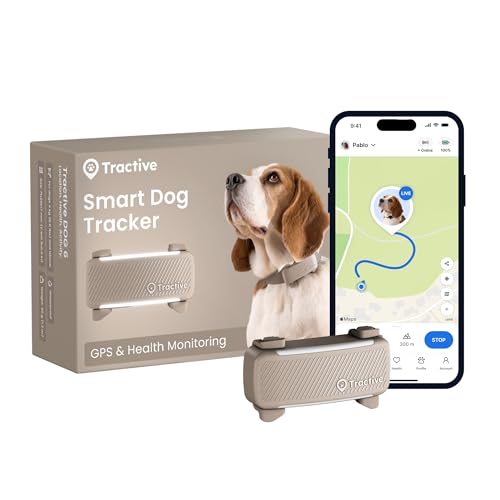
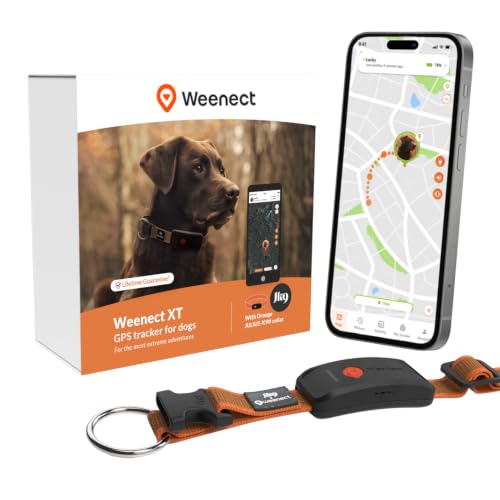
Two separate subcategories with different design priorities: dog trackers and cat trackers. Dog trackers (Tractive, Weenect, PitPat, Apple AirTag on a collar) prioritise live tracking range, activity monitoring, and battery life measured in days. Cat trackers (Tractive Cat, Weenect Cat, Pawfit Cat) prioritise weight, antenna shape that won’t catch on fences, and the assumption that your cat will be on a quick-release breakaway collar.

Subscription is the part most UK buyers don’t budget for. Most cellular GPS trackers cost £30-£80 upfront but require a £4-£10 monthly SIM subscription to function. Bluetooth trackers (AirTag, Tile) have no subscription but only work via crowdsourced networks — fine for a dog that has slipped the lead in a busy area, useless for a cat that has gone three streets over at 3am.

Activity tracking is genuinely useful for dogs. A 30% drop in daily activity over two weeks is one of the earliest signs of pain, illness, or simple aging. The trackers that show this clearly (Tractive’s activity history view is the gold standard) are worth more than the live GPS feature most owners hope they will never use.

Read more: Best Dog GPS Tracker UK 2026 → and Best Cat GPS Tracker UK 2026 →

3. Automatic Feeders

Useful for: scheduled portion control, weight management, multi-pet households, and the working-from-home days where the cat would otherwise pester you from 5am. Not useful for: dogs who scarf food in 12 seconds (they don’t need an automated dispenser, they need a slow feeder bowl).

Three meaningful subcategories. Basic timed feeders (£30-£60) dispense a set portion at set times — reliable, simple, no app. App-connected feeders (£70-£150) add remote portioning, missed-meal alerts, and history. Microchip-reading feeders like SureFeed (£90-£140) only open for a specific pet’s chip — the only viable option in multi-pet households where one pet is on a prescription diet or weight-loss plan.

The single most important feature in the under-£100 bracket is jam resistance. Cheap feeders gum up on slightly humid kibble, especially in UK winter when the kitchen swings between cold and central-heating-warm. Look for stainless steel hoppers, wide chutes, and reviews that specifically mention no jams over six months of use.

Read more: Best Automatic Pet Feeder UK 2026 →

4. Water Fountains

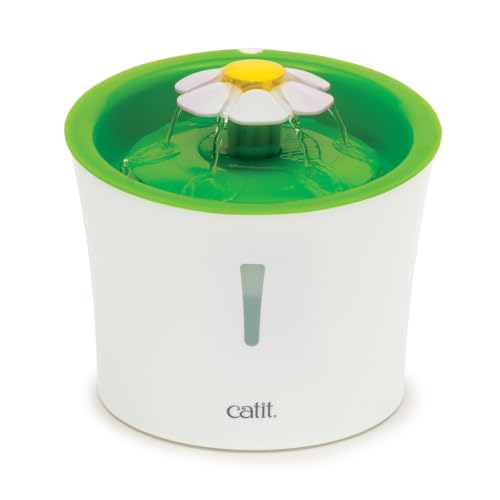
Underrated. Cats in particular tend to drink less than they need from still water bowls, which contributes to UK feline kidney problems and urinary tract issues over time. A circulating fountain encourages most cats to drink noticeably more — and gives you a passive way to monitor drinking (the bowl empties faster or slower than usual).

The category splits by material. Plastic fountains (Catit, PetSafe Drinkwell) are cheaper (£25-£45) but stain and harbour biofilm faster. Stainless steel and ceramic fountains (Pioneer Pet, Petlibro Capsule) cost £40-£80 but stay cleaner longer and look less obviously like pet gear in a kitchen. Filter cost over time matters: budget on £20-£40 per year for replacement filters depending on the model.

For multi-cat homes, capacity matters more than features. A 2L fountain serving three cats will need refilling every other day and will run dry overnight more often than is ideal.

Read more: Best Pet Water Fountain UK 2026 →

5. Smart Pet Doors

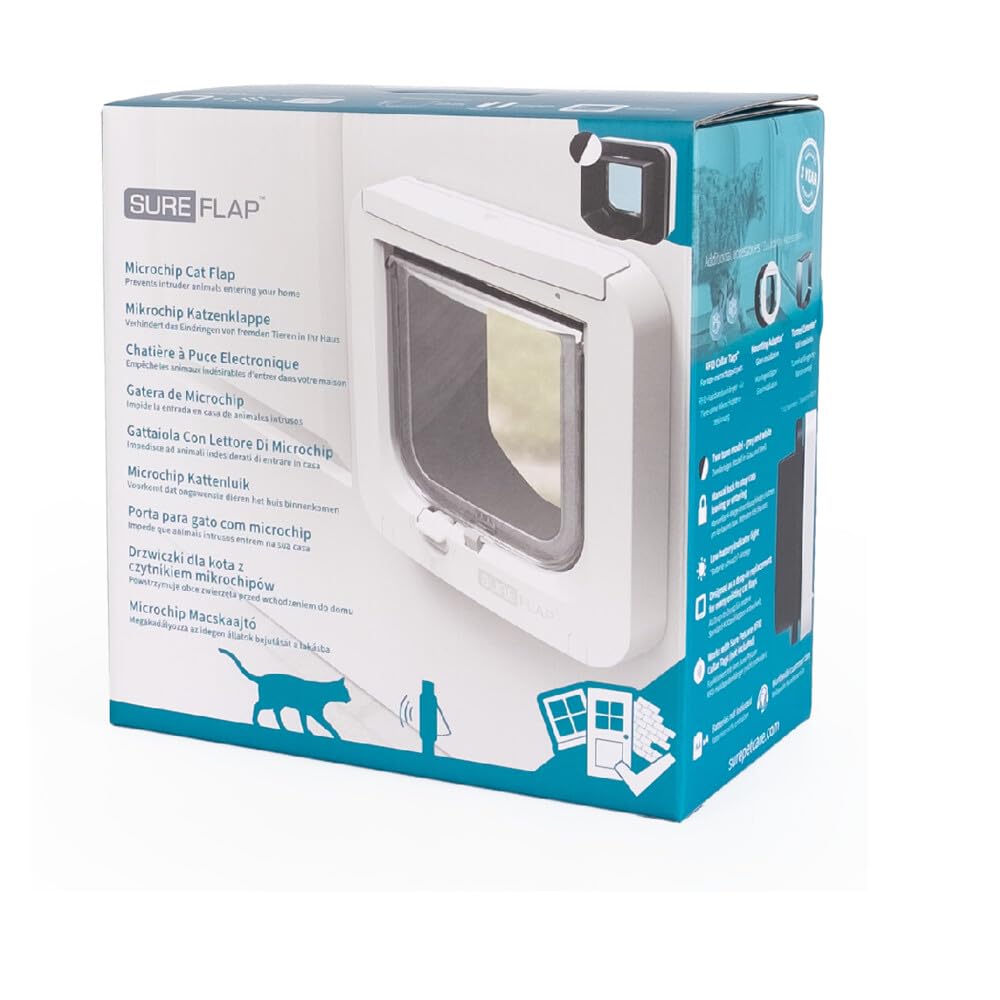
Microchip-reading or RFID-tag-reading cat flaps and small dog doors. The two dominant UK products are SureFlap (now Sure Petcare, owned by Antelliq) and PetSafe. The category solves three specific problems: stopping the neighbour’s cat coming in, controlling curfews (locking the flap from dusk to dawn to reduce roaming and wildlife predation), and tracking ins and outs via app.

There is a meaningful gap between the basic SureFlap Microchip Cat Flap (around £70-£90) and the SureFlap Connect (around £130-£160). The Connect adds app control, history, and curfew scheduling — features that mostly justify themselves within the first month for households with indoor-outdoor cats.

Installation is the part most UK buyers underestimate. Glass installation requires a specialist cut (most local glaziers will quote £80-£180). Door installation is DIY for confident drillers but adds a couple of hours. Renting? Check your tenancy agreement before buying anything.

Read more: Best Smart Pet Door UK 2026 →

6. Connected Health and Behaviour Devices

A smaller, newer category covering smart collars that monitor heart rate and respiration (Invoxia, PetPace), smart litter trays that weigh the cat and log frequency (Litter-Robot 4, Petree, Whisker), and behaviour-tracking devices that detect barking patterns or anxiety markers.

Most of this category is early-adopter territory in 2026 — fast-moving, occasionally over-promised, and frequently subscription-heavy. The exception is the smart litter tray category, which has matured: a Litter-Robot 4 (around £550-£650) genuinely reduces daily litter labour and the weight-tracking feature catches the early kidney or thyroid changes UK vets see most often.

We will be expanding coverage of this category over 2026 as more products reach UK availability.

Where to Start: A Realistic Pet Tech Build Order

If you are starting from zero, here is the order we would buy in for a typical UK household, scaled by pet and lifestyle.

For an indoor-outdoor cat

  • First buy: GPS tracker (£40-£60 upfront + £4-£6/month). Catches the missing-cat panic that costs everyone a few nights’ sleep over a lifetime.
  • Second buy: Microchip cat flap (£70-£160). Stops the neighbourhood toms, enables curfews, reduces wildlife predation.
  • Third buy: Water fountain (£35-£60). Genuine kidney and UTI prevention value.
  • Optional: Pet camera (£40-£100). Mostly for owner peace of mind rather than cat benefit.

For an indoor cat or multi-cat household

  • First buy: Water fountain (£35-£60). Bigger benefit indoors where drinking patterns are easy to miss.
  • Second buy: Pet camera (£40-£150). Indoor cats interact with cameras more than outdoor cats do.
  • Third buy: Microchip feeder per cat on a controlled diet (£90-£140 each). Essential if one cat is on prescription food.
  • Optional: Smart litter tray (£550+). High-ticket but transforms daily labour for multi-cat homes.

For a dog (any size)

  • First buy: GPS tracker with activity monitoring (£40-£80 upfront + £4-£10/month). The activity history alone is worth the monthly fee.
  • Second buy: Pet camera with two-way audio (£60-£200). For separation-anxiety management and just checking in on the WFH-then-office days.
  • Third buy: Automatic feeder (£40-£100). Useful for portion control and irregular schedules; less essential than for cats.
  • Optional: Water fountain (£35-£60). Lower priority for dogs than cats; useful for senior dogs or breeds prone to kidney issues.

For a small pet (rabbit, guinea pig, etc.)

Pet tech for small pets is a much shorter list. A simple pet camera pointed at the enclosure (£25-£60) is the only category that consistently earns its keep. GPS trackers are too heavy. Auto feeders are unsuitable because most small pets need free access to hay rather than portioned meals. Skip the category and put the money toward enclosure size, enrichment, and vet care.

App Ecosystems: The Part Nobody Mentions

By the time you own three pet-tech devices, you are managing three apps. There is no universal standard the way there is for smart home gear, and the pet-tech industry is two or three years behind home automation on integration. A few practical points:

Stay within one brand family where possible if you value app simplicity. Sure Petcare devices (flaps, feeders, hubs) talk to each other and present in one app. Tractive does GPS and not much else, but their app is the best in the category. PetSafe spans many subcategories but each device tends to have its own app, which is awkward.

Check the app’s actual UK reviews before buying — not the marketing screenshots. The single biggest UK complaint across this category is apps that work fine in the US but have flaky cellular reliability on UK networks, particularly outside cities. Tractive, SureFlap Connect, and Petlibro have a strong UK track record in 2026. Some smaller brands still do not.

Subscription stacking is real. Two GPS trackers plus a camera plus a connected feeder can easily reach £25/month in subscriptions if you are not careful. Audit what is actually being paid for and cancel the ones you stopped opening.

Common UK Pet Tech Mistakes (and How to Avoid Them)

Buying a US-only product

Plenty of pet-tech sites sell devices that technically arrive in the UK but rely on US cellular bands (no UK SIM compatibility), US-only app features, or US-only customer support. Always check that the product has a UK retail presence — Amazon UK, Pets at Home, Zooplus UK — rather than only US listings.

Not budgeting for subscriptions

A £40 GPS tracker is a £40 + £60/year tracker. A £90 microchip feeder is occasionally just the upfront cost, but app-connected feeders may include optional premium tiers. Add up the first-year cost before buying.

Buying for the dream pet, not the actual pet

Cameras for a dog who is actually fine alone. GPS trackers for a cat who literally never leaves the garden. Smart feeders for a dog who eats one meal a day at the same time every day. The most-returned pet tech products are the ones where the gear did not match the pet’s actual routine.

Underestimating Wi-Fi requirements

Most pet tech needs 2.4 GHz Wi-Fi (not 5 GHz), which trips up newer UK households with mesh systems that hide the band selection. The garden also matters: a smart cat flap or outdoor camera that is three rooms from the router will drop offline regularly. Check signal strength before you commit.

Ignoring the breakaway collar rule for cats

A GPS collar that does not break away under pressure is a hazard. UK cat charities (Cats Protection, RSPCA) all recommend quick-release collars for outdoor cats. Any cat GPS tracker worth buying ships with or fits onto a breakaway collar by design. Do not retrofit a non-breakaway dog collar onto a cat — it is the leading cause of cat collar injuries.

What Is Changing in 2026

Three trends worth watching this year. AI-driven behaviour analysis (cameras that flag unusual patterns, not just motion) has matured enough to be useful — the Furbo Nanny and Petcube AI features are notably better than they were 18 months ago, particularly for early separation-anxiety detection. Subscription-free GPS is starting to appear at the edges of the category, mostly via Apple’s Find My network and Tile, but cellular GPS still has the range advantage for serious tracking.

And finally, integration. Several brands are quietly working toward Matter and Google Home compatibility, which would let pet tech sit inside existing home automation rather than in its own app silo. Do not buy on the promise of future integration — buy on what works today — but expect the picture to look noticeably more joined-up by 2027.

The Furlygood Take

Pet tech is at its best when it is invisible. The water fountain that quietly runs, the GPS tracker you almost never check until the one day you need it, the cat flap that just keeps the right cats in and the wrong ones out — those are the products that earn their place. The flashier categories (treat-tossing cameras, talking pet wearables, AI-driven behaviour scoring) are interesting, but they are also the categories most likely to spend a year in a drawer.

If you are new to all of this, start with one device that solves a specific problem you already have, and expand from there. The household that buys a £40 water fountain and uses it daily for three years gets far better value than the household that buys the £600 connected starter bundle and uses two pieces of it.

Explore the Full Pet Tech Cluster

  • Best Pet Camera UK 2026 — indoor cameras for cats and dogs
  • Best Dog GPS Tracker UK 2026 — live tracking and activity monitoring
  • Best Cat GPS Tracker UK 2026 — lightweight trackers for outdoor cats
  • Best Automatic Pet Feeder UK 2026 — timed, app-connected and microchip feeders
  • Best Pet Water Fountain UK 2026 — kidney and UTI prevention for cats
  • Best Smart Pet Door UK 2026 — microchip flaps and curfew control

Frequently Asked Questions

Do I actually need pet tech, or is it just gimmicks?

Two categories earn their place in almost any UK home with a cat or dog: a GPS tracker (for cats that go out, and for dogs as much for the activity history as the live tracking), and a water fountain (especially for cats). The rest depends on lifestyle. If you work from home consistently, a camera adds little. If you are out for 8-10 hour stretches several days a week, a camera and a connected feeder can be transformative.

Is subscription-based GPS really worth it over an Apple AirTag?

For dogs slipping the lead in a park: AirTag is fine and free of subscription. For cats going on overnight adventures three streets away, or dogs that have actually run off, cellular GPS is the only thing that gives you a real-time location more than a few hundred metres from a phone. The £4-£10/month is the price of not spending a Friday night putting up posters.

Can pet tech replace my vet’s diagnostics?

No, and it should not. What it can do is give your vet better information. An activity-tracking GPS that shows a three-week downward trend is much more useful than telling the vet she has been a bit slower lately. A smart litter tray that logs frequency and weight changes catches things weeks earlier than a routine annual check. Tech feeds your vet better data — it does not replace them.

Will any of this work with Alexa or Google Home?

Some products advertise compatibility, but in our 2026 testing it is still patchy. A few cameras integrate cleanly for show me the pet camera on the kitchen display voice commands. Beyond that, expect each app to live in its own world for now.

Is it worth buying older, cheaper versions?

Sometimes. The previous-generation Furbo and the older PetSafe Drinkwell are still perfectly serviceable at a discount. Older GPS trackers, on the other hand, age badly because the cellular networks they were designed for are starting to phase out — check that any tracker still supports current UK 4G bands before buying a closeout deal.

Conclusion

Pet tech in 2026 has matured into a category where the right two or three pieces of kit, chosen for your specific pet and routine, can quietly improve everyday life and catch the early signs of bigger problems. The trick is buying for the pet you actually live with — not the imagined one — and resisting the urge to buy the bundle when one well-chosen device would do.

Start with the problem you already have: an indoor cat who barely drinks, a dog you cannot see during the new four-days-in-the-office routine, a cat flap that lets the local tom raid the kibble. Solve that, live with it for a few weeks, and the next piece you need will be obvious. That is how a useful pet-tech setup actually gets built.

Some More Reviews Here..